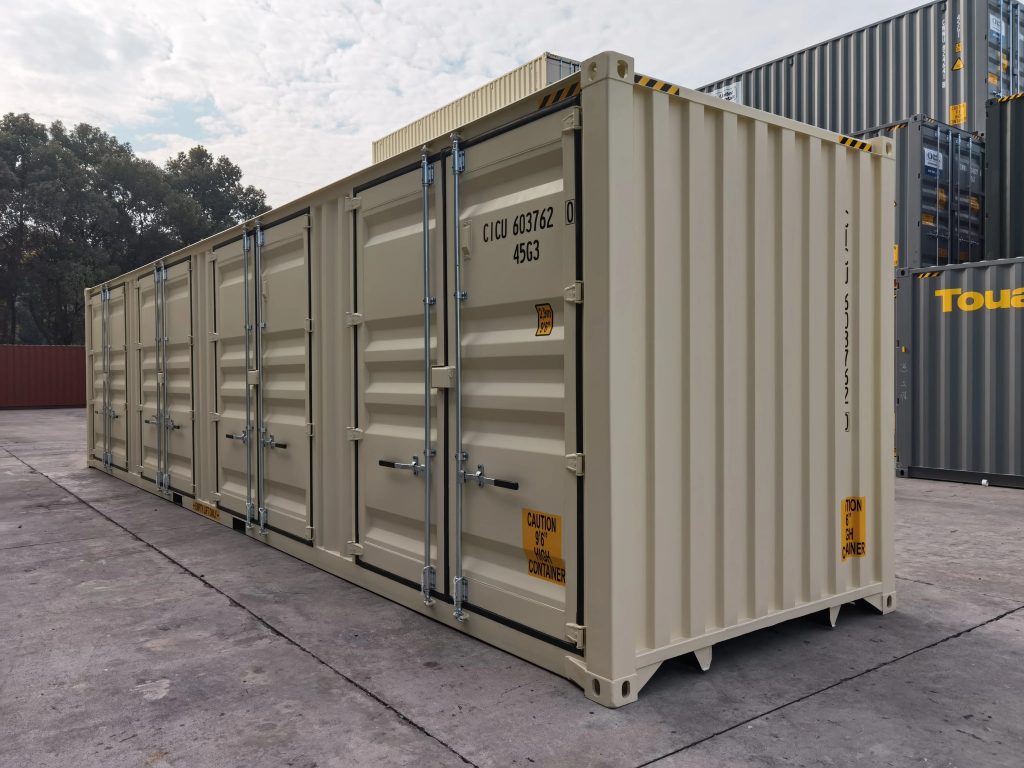
What Is 20 Container Size And Why Is Everyone Talking About It?
Understanding Container Sizes: A Comprehensive Guide to 20 Different Options
The world of shipping and logistics relies greatly on containers for transport, storage, and company of items. With the increase in international trade, the size and capacity of these containers can greatly impact effectiveness and cost-effectiveness in numerous markets. This article looks into 20 various container sizes, offering a summary of their dimensions, abilities, and typical uses. We'll also clarify some regularly asked questions that surround container sizes to assist services and people make notified decisions.
A Closer Look at Container Sizes
Containers can be found in different shapes and sizes to accommodate various kinds of cargo. Below is a table that summarizes 20 common container types, along with their standard dimensions and typical usages.
Container Size Overview
Container Type
Length (ft)
Width (ft)
Height (ft)
Capacity (cu ft)
Common Uses
20' Standard Container
20
8
8.5
1,169
General cargo, machinery
40' Standard Container
40
8
8.5
2,389
General cargo, furniture
40' High Cube Container
40
8
9.5
2,694
Bulk products, high items
45' High Cube Container
45
8
9.5
3,040
Extended cargo
20' Refrigerated Container
20
8
8.5
1,167
Perishable goods
40' Refrigerated Container
40
8
8.5
2,293
Disposable goods
20' Open Top Container
20
8
8.5
1,169
Heavy, oversized cargo
40' Open Top Container
40
8
8.5
2,389
Heavy, oversized cargo
20' Flat Rack Container
20
8
8.5
n/a
Machinery, lorries
40' Flat Rack Container
40
8
8.5
n/a
Machinery, lorries
20' Tank Container
20
8
8.5
5,278 liters
Liquid bulk, chemicals
40' Tank Container
40
8
8.5
25,000 liters
Liquid bulk, chemicals
10' Standard Container
10
8
8.5
580
Little deliveries
48' Container
48
8
8.5
3,361
Lighter loads
53' Container
53
8.5
8.5
3,500
Increased cargo
20' Half Height Container
20
8
4.5
1,052
Heavy cargo, discarding
40' Half Height Container
40
8
4.5
2,224
Heavy cargo, dumping
20' Insulated Container
20
8
8.5
1,169
Temperature-sensitive products
40' Insulated Container
40
8
8.5
2,389
Temperature-sensitive goods
45' Platform Container
45
8
5.5
n/a
Cargo in unique formats
Uses of Different Containers
General Cargo: Standard containers (20' and 40') are most frequently utilized for general cargo, consisting of machinery, furnishings, and electronic items.
Cooled Goods: Refrigerated containers are vital in logistics for industries dealing with perishables like food and pharmaceuticals.
Heavy Equipment and Machinery: Flat rack and open-top containers supply an ideal service for carrying heavy or extra-large cargo, allowing for easy loading and dumping.
Liquid and Bulk Cargo: Tank containers are specifically created for transporting liquids, chemicals, and bulk items, guaranteeing safe transportation.
Unique Circumstances: Insulated and half-height containers deal with specialty requirements, such as temperature control for sensitive products or efficiently managing bulk products for building.
Regularly Asked Questions (FAQs)
1. How do I select the ideal container size for my requirements?
Picking the best container depends upon the type of cargo you intend to ship and its dimensions. Evaluating the volume, weight, and nature of your goods will guide you in selecting the most ideal container.
2. Are container sizes standardized internationally?
Yes, the majority of container sizes are standardized under the International Organization for Standardization (ISO). COG Containers LTD guarantees compatibility across different shipping techniques and logistics operations internationally.
3. Can I modify a shipping container?
Yes, shipping containers can typically be customized for particular uses. Adjustments can include adding insulated walls, ventilation systems, or doors in different places, depending upon your needs.
4. Is a bigger container always much better?
Not always. While bigger containers can hold more cargo, they may contribute to greater transportation costs. It's important to stabilize size with weight and volume requirements.
5. What are the expenses associated with shipping containers?
The expenses can vary widely depending on the container type, condition (new or used), transportation distance, and logistics companies. In addition, modifications can impact rates.
6. How can I ensure my cargo is protected during transport?
Making use of container locks, protecting cargo within the container, and using straps or tie-downs can considerably enhance the security of your products while in transit.
Comprehending the different container sizes and their applications is important to enhancing logistics and supply chain methods. With this comprehensive guide, services can navigate container alternatives wisely, guaranteeing they choose the right one for their shipping needs. Whether it's basic, refrigerated, open-top, or specialized containers, understanding the dimensions, utilizes, and advantages of each can aid in streamlining operations and reducing expenses in this complicated field.
In this era of global trade, making notified decisions about container sizes can pave the way for smoother global service transactions and effective cargo management.